



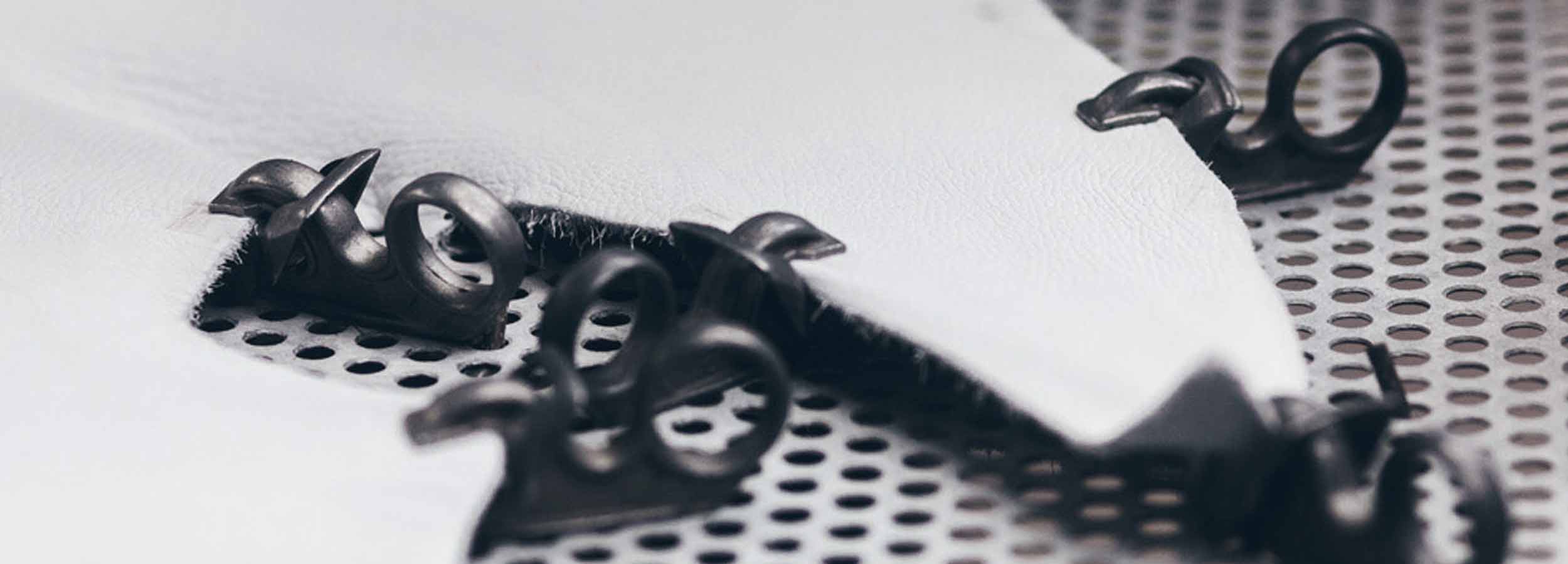
WHAT DOES "REAL LEATHER" MEAN?
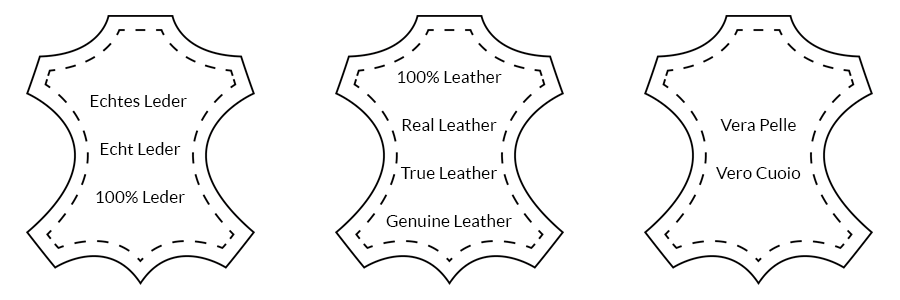
Even though we already took a close look at the topic in our “Genuine Leather” article, there still seem to be some remaining questions regarding the term “Real Leather”. First things first: Real leather is exactly the same as Genuine Leather and simply means that something is made out of actual leather as opposed to artificial leather. Both “Real Leather” and “Genuine Leather” can be found but the latter is much more common; Sometimes the Italian synonyms “Vera Pelle” or “Vero Cuoio” are used instead. It is important to be aware of all such terms and their meaning in order to make good purchase decisions. In the following, we listed and answered the most common questions we have received regarding real and genuine leather:
1) Is real leather good leather?
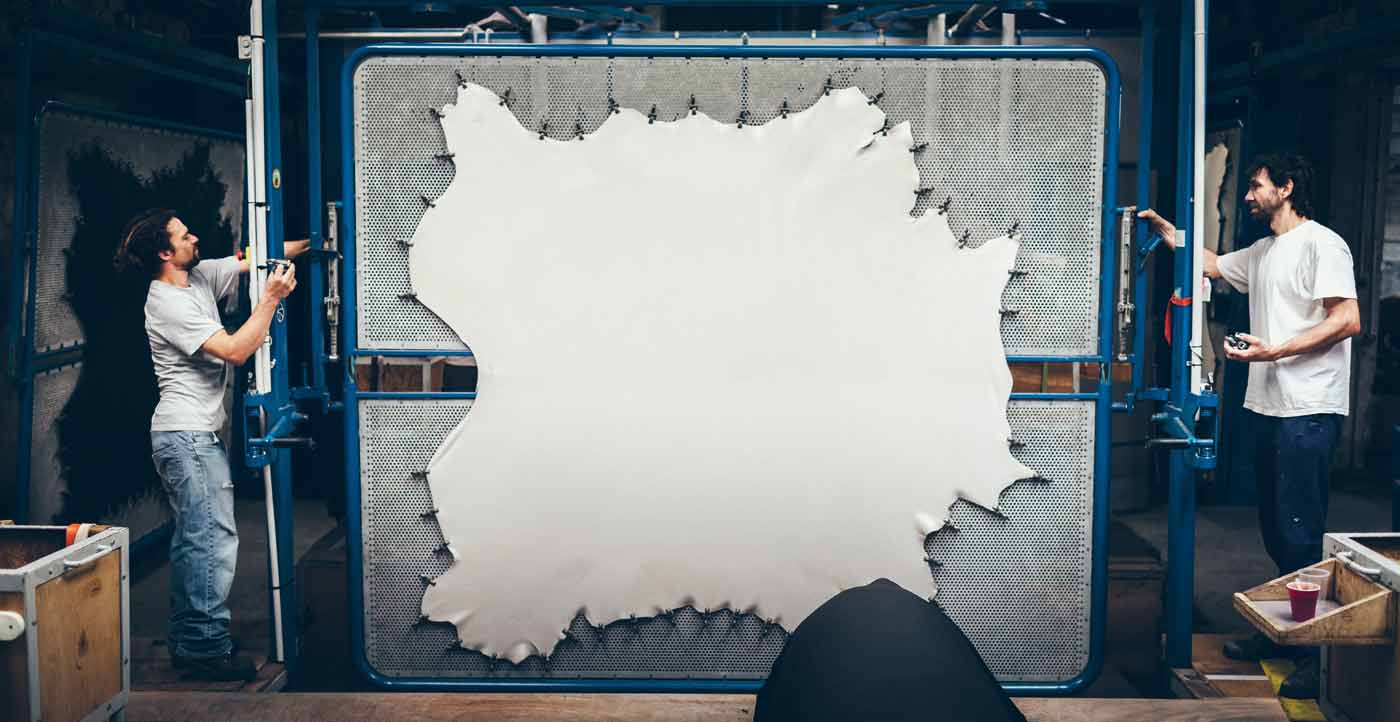
Not necessarily. It is just like with cars: There are vast differences in regards to quality and price amongst cars yet they are all cars. It is the same with leathers. Real leathers are generally categorized in three leather grades: Full-grain, top-grain, and split grain leather. Full-grain leather offers the highest quality and costs the most whereas split grade leather offers the least quality and costs the least. Click here to find out more about leather grades. Also note, that the term “Real Leather” does not reveal any information about the animal housing or food quality and the tanning process of the leather.
For our classic belts we exclusively use premium full-grain as well as vegetable-tanned leathers, which we obtain from the most sought-after tanneries in Europe. More information about our leathers and tanneries can be found here.
2) Does Real Leather come from a certain animal?
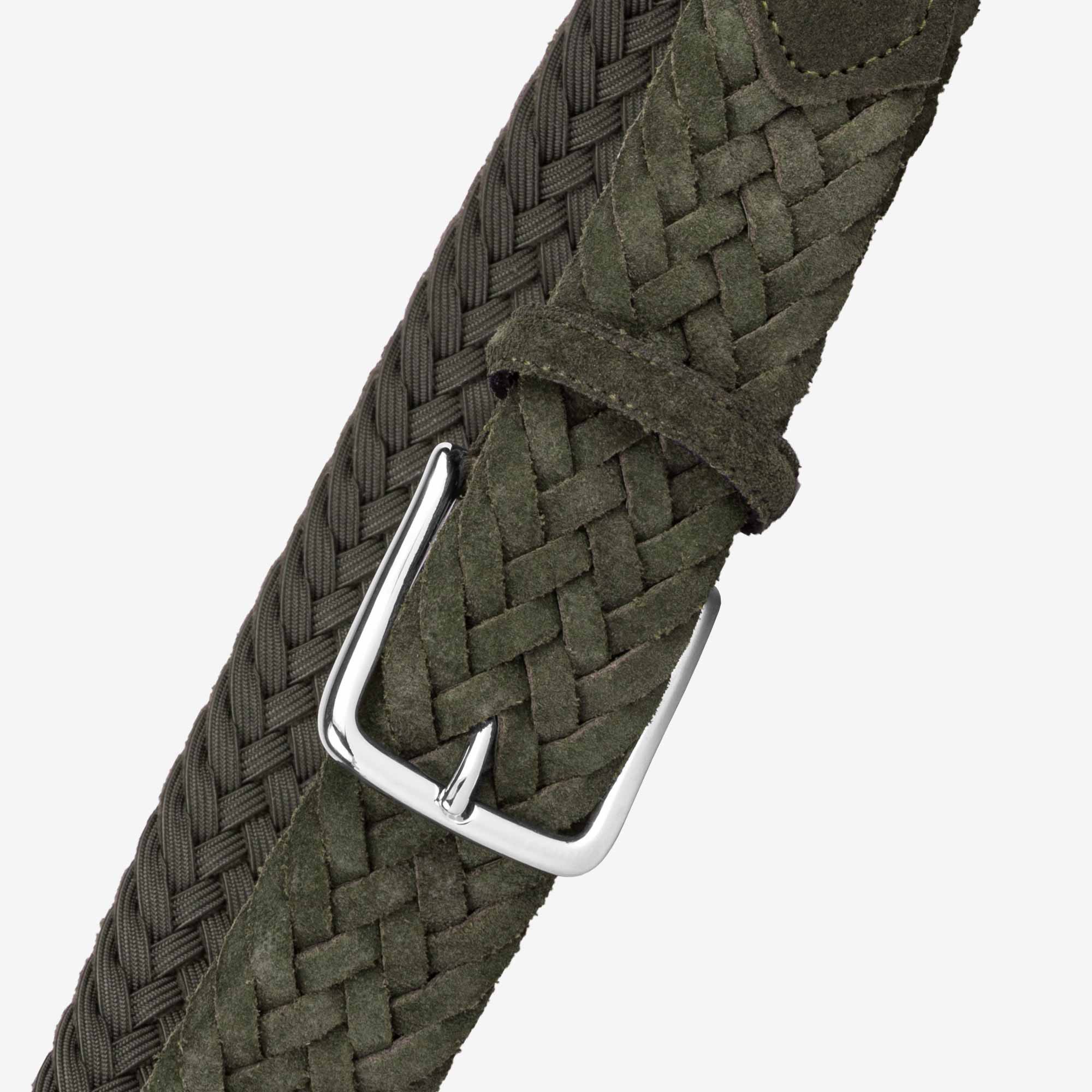
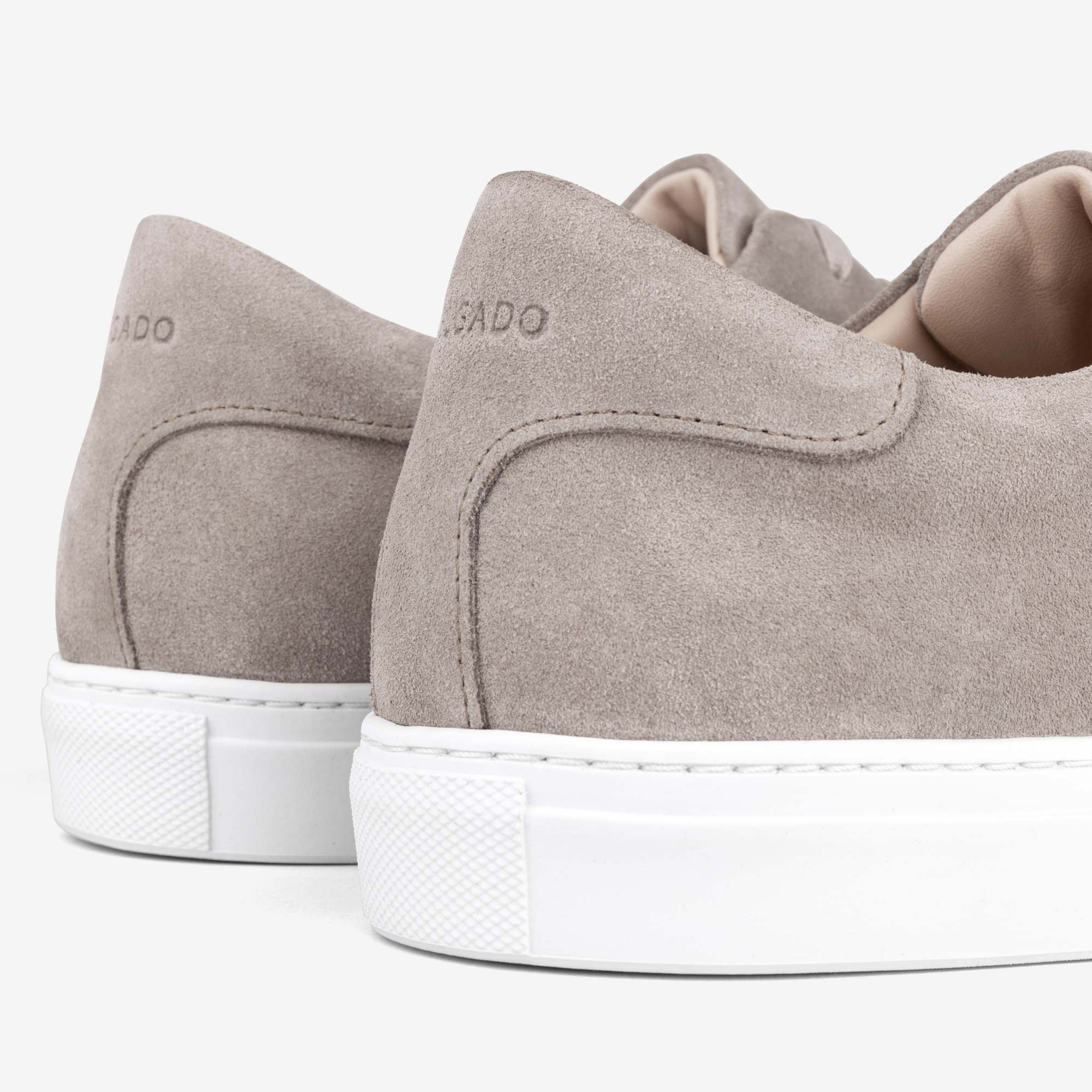
No. “Real Leather” only means that the leather comes from an animal and was not artificially produced. Whether the leather comes from cows, sheep or lamp etc. does not make a difference.
3) How do you know if a product is made of real leather?
The labelling of genuine leather in the form of an animal hide symbol including some additional designation has become the standard. It is often stamped on the lining leather of belts, the inside of bags or is shown on attached informative product labels. If no label should exist, it is worth doing some more research. Ask the sales personnel or take a look at the product descriptions online.
4) How do I recognise real leather?
Artificial leathers are getting better and better and it is getting increasingly more difficult to detect the difference between real and artificial leather. Following tricks might help:
a) Smell
Leather has a unique inherent smell which cannot by imitated by artificial leather which is usually odourless or smells slightly like plastic.
b) Surface Structure
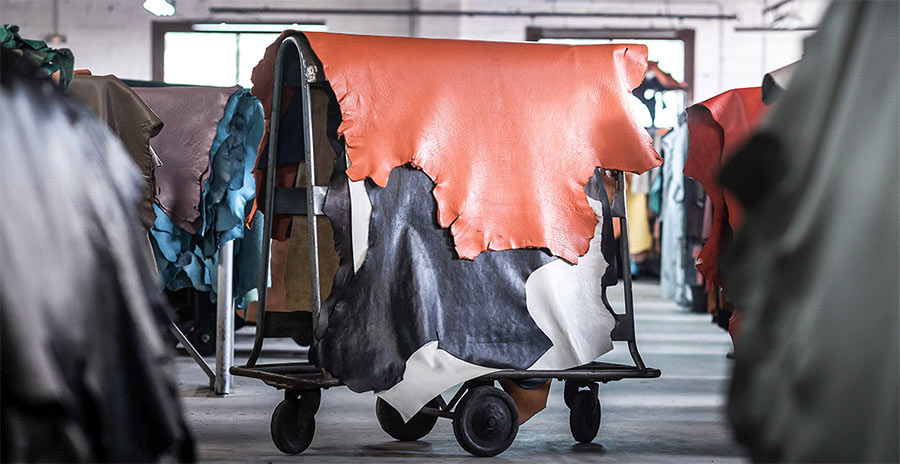
Full-grain and top-grain leather both maintain natural blemishes such as scars, wire cuts, insect bites, stretch marks, and neck wrinkles. These “flaws” and inconsistencies are actually a sign of quality, as it verifies the authenticity of the leather. Artificial leathers do not evolve naturally but are artificially made and the grain pattern is embossed by machine creating a very consistent grain pattern.
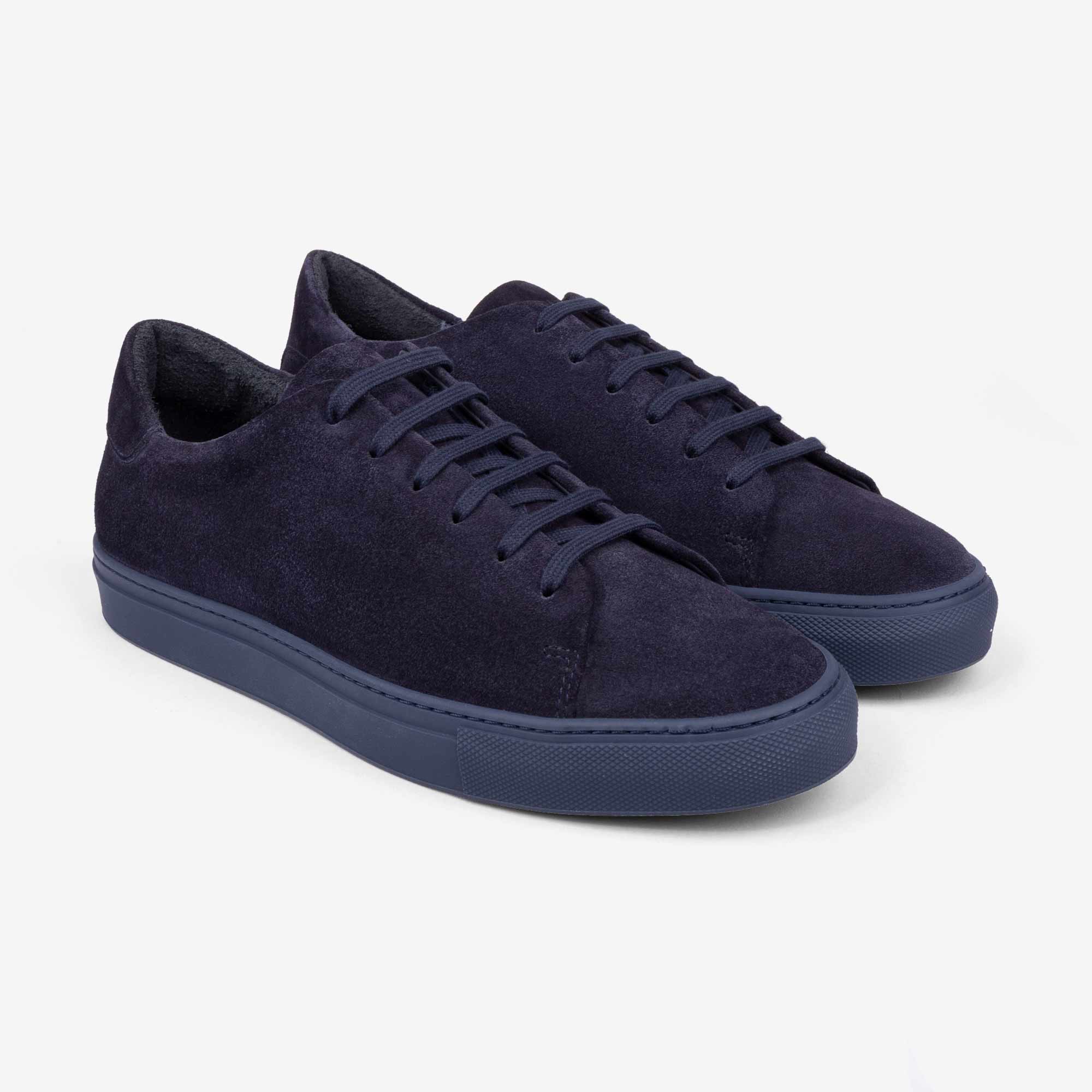
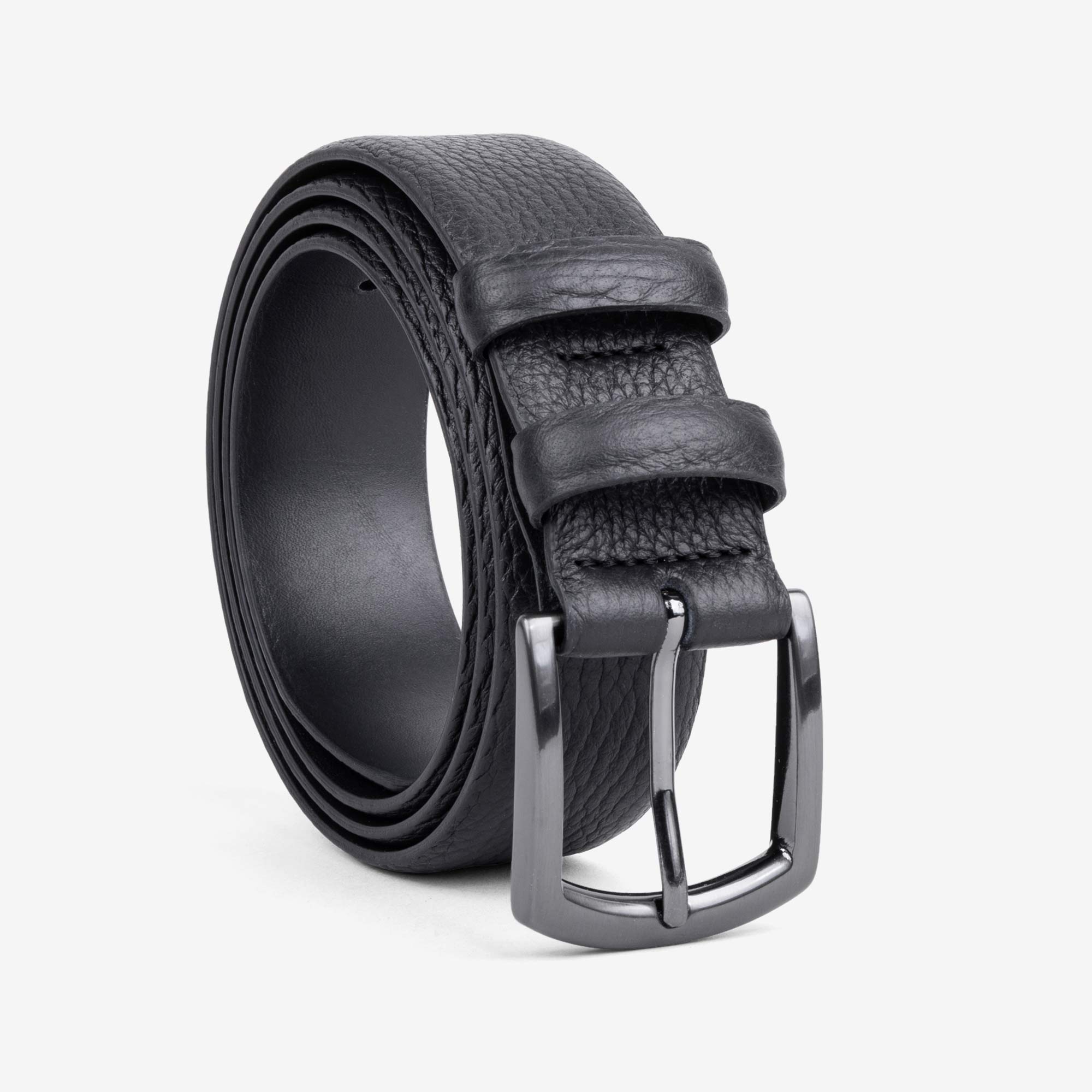
c) TouchReal Leathers, especially full-grain and top-grain leathers, have a beautiful soft and subtle touch. Artificial leathers, however, are glossy, stiff and feel cold.
d) Cutting EdgesReal Leathers have a fibrous structure on the cutting edges, which is due to the collagen fibers of the skin whereas artificial leather has straight edges. This difference, however, will be difficult to detect with processed leathers.
e) Oil & Water TestReal leathers are natural materials which absorb water, fats or oil with their open pores. Artificial leathers will not absorb liquids as easily.
f) PatinaReal Leather, especially full-grain leather, will develop a lush patina over time. Artificial leather will usually keep its colour or slightly fade over time.
g) PriceThe price of a product is, of course, no definite clue to the quality of the leather, as brands names heavily influence the price, but in general real leather is much more expensive than artificial leather.
c) TouchReal Leathers, especially full-grain and top-grain leathers, have a beautiful soft and subtle touch. Artificial leathers, however, are glossy, stiff and feel cold.
d) Cutting EdgesReal Leathers have a fibrous structure on the cutting edges, which is due to the collagen fibers of the skin whereas artificial leather has straight edges. This difference, however, will be difficult to detect with processed leathers.
e) Oil & Water TestReal leathers are natural materials which absorb water, fats or oil with their open pores. Artificial leathers will not absorb liquids as easily.
f) PatinaReal Leather, especially full-grain leather, will develop a lush patina over time. Artificial leather will usually keep its colour or slightly fade over time.
g) PriceThe price of a product is, of course, no definite clue to the quality of the leather, as brands names heavily influence the price, but in general real leather is much more expensive than artificial leather.